



























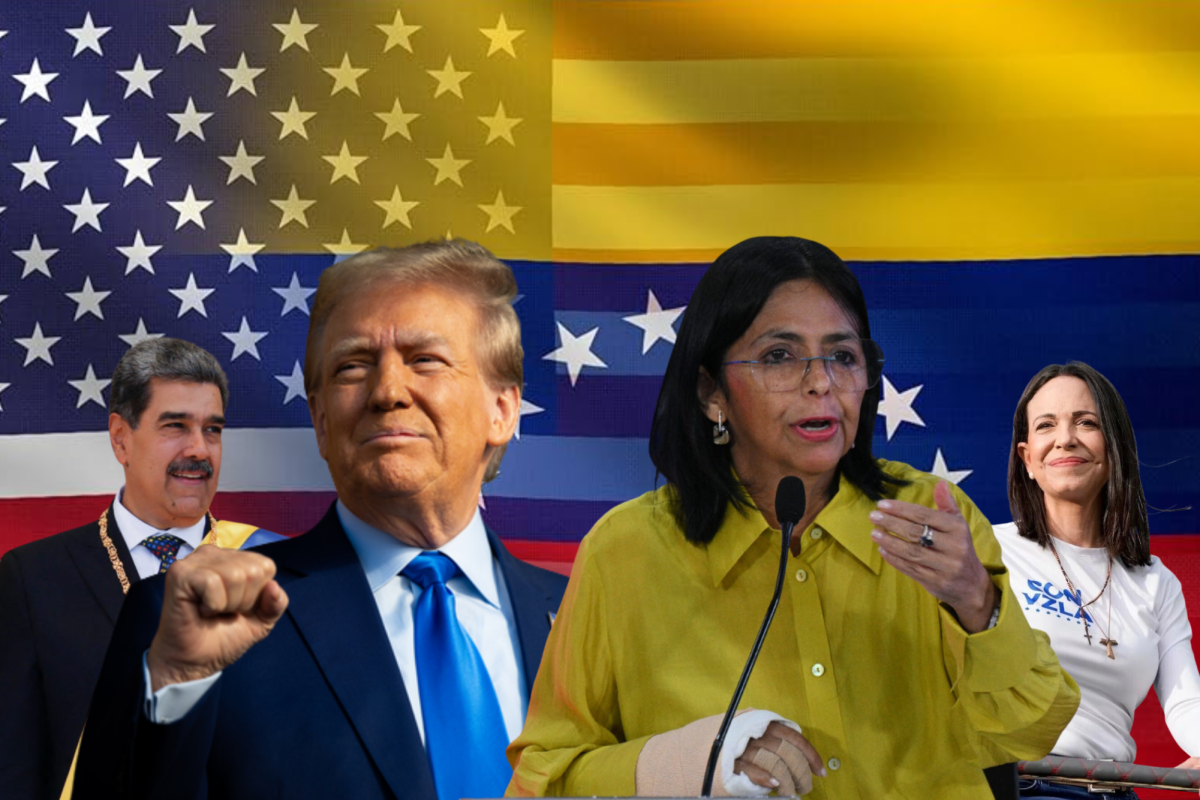
The United States captured Venezuelan President Nicolás Maduro on January 3 as part of a special operation to remove Maduro from office for the safety of Venezuela, according to CNN.
Directly following Maduro’s arrival to the US, Maduro was charged with “Narco-Terrorism Conspiracy, Cocaine Importation Conspiracy, Possession of Machineguns and Destructive Devices, and Conspiracy to Possess Machineguns and Destructive Devices against the United States,” according to US Attorney General Pam Bondi.
Maduro will appear in court on March 17, for a second trial after an initial court appearance on January 5, where he plead “not guilty.”
After Maduro’s removal, the US took control of the Venezuelan government and oil industry.
Now, a month later, the future of the country remains unknown, but plans are shaping up.
Former Venezuelan Vice President Delcy Rodríguez was promoted to acting president by the Venezuela Supreme Court after Maduro’s removal.
The New York Times explained that prior to Maduro’s arrest, “Ms. Rodríguez echoed [Maduro’s] defiant, anti-imperialist language in her public statements.”
However, following Maduro’s arrest, Rodríguez’s statements briefly shifted to amending diplomatic ties with the United States.
Rodríguez had been willing to work with the United States, as the US has had many demands for Venezuela’s governing.
However, her statements have begun to shift once again.
On January 25, Rodríguez said, “Enough already of Washington’s orders over politicians in Venezuela” during an event in Puerto La Cruz, according to The Hill.
The U.S. has made many demands for Venezuela, including to resume oil production and “partner exclusively with the US on oil production,” said CNN.
Additionally, United States President Donald Trump wants to get Maria Corina Machado, the former deputy of the National Assembly of Venezuela, reinvolved with the Venezuela government.
Notably, Machado has been active with voicing her opposition to the United Socialist Party of Venezuela- which Maduro was part of.
However, this effort to reinstate Machado contradicts Trump’s former statement from earlier January.
During a press conference, Trump said, “I think it would be very tough for her to be the leader. She doesn’t have the support within or the respect within the country,” according to ABC News.
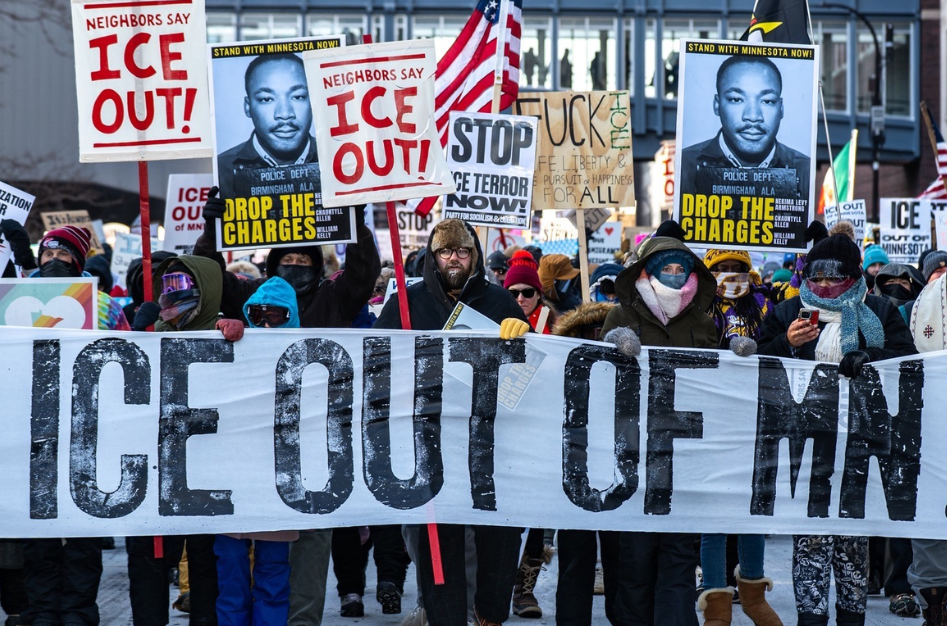
As the United States continues to intervene with the country’s political figures, a lot of controversy has arisen.
Time Magazine said, “Some have raised concern that this be the first of many attempted U.S. interventions under Trump—who previously campaigned against meddling in other nations’ affairs but since the attack has hinted at targeting other countries.”
Additionally, many people have been concerned about whether or not the United States’s invasion was legally justified.
An online statement was released by Maryland Representative April McClain Delaney stating, “Over the weekend, we saw the President—without authorization or approval from Congress, as required by our Constitution—launch an attack on Venezuela and voice his intention to ‘run’ the country.”
As changes in governance occur, Venezuela has slowly been regaining its balance, but with the United States’s supervision.