



















































Swiping through the endless streams of profiles, the bios blend together as little tidbits of info are processed and forgotten mere seconds later: “hiking-enthustiaste,” “foodie,” “theater kid.”
Is this really it?
A world where the only thing being swiped on is time?
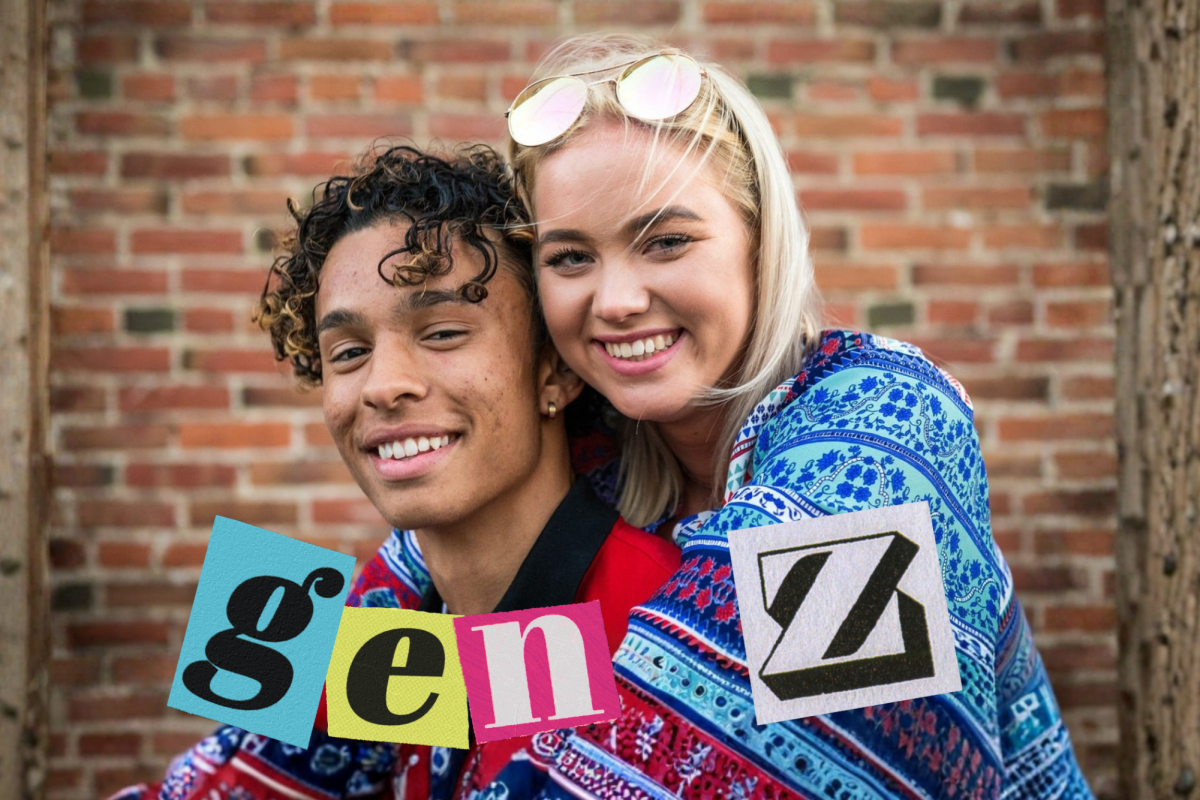
Generation Z, composed of those born between 1997 and 2012, are the first generation to be “digitally native” – having grown up with access to the internet, cell phones, and social media at the same time they first interacted with toys and books.
Thanks to this, technology has broken the traditional barriers of communication other generations may have faced- barriers like being part of opposite friend groups or living within the boundaries of a small hometown.
And along with this unprecedented access to technology, Gen Zers have gained a bigger pool of prospective romantic candidates to pick from than their parents had.
Yet, for a generation fluent in dating apps and free from older limitations, Gen Z is faced with a new conundrum: They haven’t figured out how to ask each other out.
Former Intern at CNN Sara Forastieri Vicente reflects that “Gen Z is the generation whose experiences of high school, college and getting their first jobs – places where people are often likely to meet their future spouses – were derailed by a pandemic.”
And in addition to facing these unique circumstances, one must consider that Gen Z has been dubbed the most rejected generation – whether it be in the world of jobs, education, or relationships
“If we tallied up the literal sum of all the unreciprocated swipes, DMs, follows, or texts… it wouldn’t be a stretch to say that a typical Zoomer… is getting rejected by, and rejecting, more prospective partners in a week than a typical married boomer has in their entire life,” said Business Insider Reporter Delia Cai.
Considering this expectation to be rejected, it’s no surprise that, “A lot of young men have stopped approaching women” altogether, claimed VICE.
And it’s not just the idea of rejection that’s scary; the anticipated consequences of failing to secure a date are too.
In fact, according to Rolling Stone Magazine, Recent High School Graduate Eli Thompson believes the possibility of being mocked has made “normal interactions feel risky.”
The possibility of embarrassment has left many Gen Zers too hesitant to take the steps needed for dating.
“The threat of public shamming… changed how young men conducted themselves in real life,” wrote Fox News Reporter Alba Cuebas-Fantauzzi: they now “second-guess every word or message, wondering how it might be judged, shared, or mocked.”
Whether or not this trend of dating less is desired by Generation Z, depends on who you ask.
Vicente, for example, believes that romantic relationships aren’t as important to Zoomers as cultivating one’s bonds with a friend is.
“We’ve created our own small world in this vast universe of romance and love, one that normalizes fluidity and casualness in romantic partners – and reciprocal, regenerative love in friendships,” said Vicente, according to CNN.
Additionally, Gen Zers are worried about how dating has become a serious financial commitment.
“Gen Z is dealing with an inflammatory environment that neither their parents nor grandparents have experienced,” Kevin Thompson, the CEO of 9i Capital Group and the host of the 9innings podcast, told Newsweek: “The cost of living… creates financial pressure that is simply not conducive to dating or starting a family.”
Kevin isn’t the only expert to remark on Generation Z’s unprecedented circumstance.
HR Consultant Bryan Driscoll also told Newsweek, “In their short lives they’ve lived through economic collapse, inescapable student debt, and an impossible housing market. It’s no surprise they’re not spending on dating when many can barely afford rent.”
One positive outcome inspired by this new caution, Fox News reflects, is that “Gen Z is also more comfortable than older generations being transparent about money– their salary, their budgets and their debt” early on in their relationships, said Aja Evans, a licensed mental health counselor and financial therapist.
In fact, members of Gen X are even more likely to alternate who pays for dates or to “go dutch,” meaning they split the bill.
That being said, finances aren’t the only thing creating hindrance in the dating lives of Gen Z.
The Guardian reports that politics have also infiltrated the dating scene, as Gen Z “[does] not want to date across the political divide.”
The Ringer reported that in the U.S., Europe, Northern Africa, and Eastern Asia, “Gen Z women—those in their 20s and younger—have become sharply more liberal in the past few years, while young men are shifting subtly to the right.”
And while this divide wouldn’t be a problem in dating in previous decades, studies have found that less young people are willing to date those of opposite political beliefs than Millennials or Gen X are.
“People now generally believe that someone’s political views reflect their character, and that has a lot to do with Donald Trump,” Daniel Cox, the director of AEI’s Survey Center on American Life, told Newsweek: “It’s not entirely attributable to him, but I think people view it as important information when they’re thinking about the kind of person that they want to date.”
“At the same time, researchers and dating experts say it’s worth watching whether this generation will maintain rigid political boundaries in long-term partnerships—or whether shared life goals, financial compatibility and emotional intimacy will take precedence over red and blue lines,” said Newsweek Reporter Suzanne Blake.