


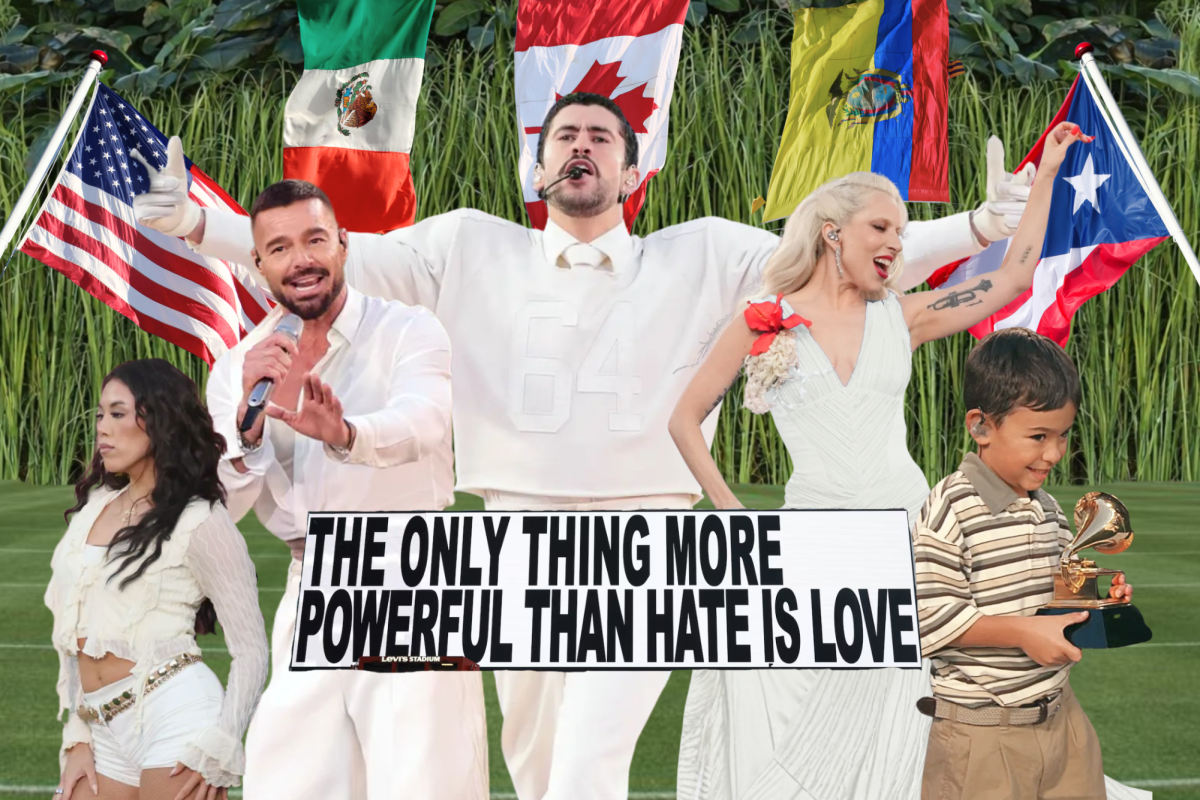




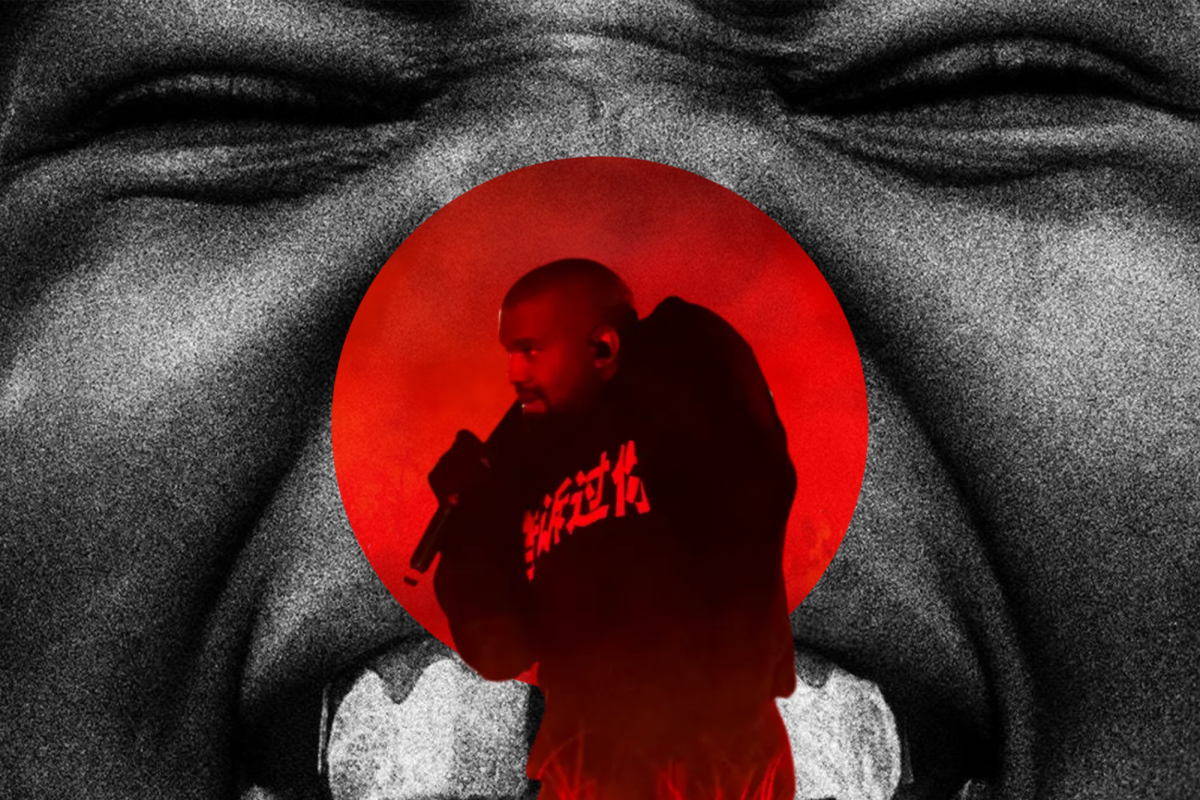














Multi-platinum Puerto Rican Singer Bad Bunny headlined the most-viewed Super Bowl halftime show in history on Sunday, February 8, incorporating pieces of American culture with a special emphasis on the traditions and plight of the island of Puerto Rico, according to the National Football League.
Performing at Levi’s Stadium in San Francisco, Bad Bunny’s halftime set showcased the ever-expanding influence of Latin music in the United States and reflected the impact of cultural fusion on American popular culture.
“The show featured many symbols of Puerto Rican history and culture, as well as gestures to the broader Latino community, and a strong reframing of U.S. notions of what it means to be American,” wrote Todd Rosenberg, an Associated Press Reporter.
The performance demonstrated that halftime shows can transcend entertainment, becoming a reflection of culture and uniting audiences.
“Seeing so many different cultures celebrated together made me feel like this wasn’t just a performance, it was a message about unity and belonging,” said Psychologist María Fernanda Simón.
Although viewers had varied takeaways, one thing was clear: the show drew a wide audience.
NBC News told The Hill that, “viewership peaked in the second quarter of the game at more than 137 million viewers as fans tuned in to watch the Puerto Rican pop star perform at halftime.”
These numbers highlight Bad Bunny’s superstar status globally and the admiration many have for him.
“Benito was unbelievable! Loose, happy, made everybody ecstatic. I loved it, and congrats to the Bunny; he’s a great human being,” said Actor Adam Sandler when asked about the performance.
Although many fans were excited to see Bad Bunny perform at the halftime show, members of Turning Point USA, critical of the NFL’s choice to spotlight a Puerto Rican artist, decided to host their own “All-American Halftime Show.”
“The All‑American Halftime Show is an opportunity for all Americans to enjoy halftime entertainment with no agenda other than to celebrate faith, family, and freedom,” said Turning Point USA Spokesman Andrew Kolvet.
This contrasting perspective demonstrates growing tensions over cultural expression and ideas of American identity.
“Turning Point’s halftime show had slightly better messaging if you ask me,” said Actor Kevin Sorbo on social media, suggesting the conservative show spoke more to what he considers “American values.”
While Sorbo and others stood strong, many pushed back on the creation of the Turning Point USA halftime show and its headliner, Rock Singer Kid Rock.
“Well, [Bad Bunny’s performance] made me feel more proudly American than anything Kid Rock has ever done,” said Country Artist Kacey Musgraves on social media platform X in response to the performance.
Musgraves’ statement showed that there are still intercultural differences within America and that tensions persist.
While Singer Lady Gaga performed a Latin inspired remix of her hit song “Die With a Smile” in its English form, that didn’t stop lots of online critics from one popular critique: that the halftime show was entirely in Spanish.
“I am sorry, but I hate both options… We have a halftime show presented without a word of English spoken,” said Political Commentator Candace Owens.
Critics like Owens were quick to comment on the fact that the halftime show would be completely in Spanish, while Bad Bunny himself responded:
“People only have to worry about dance… They don’t even have to learn Spanish. It’s better if they learn to dance. There’s no better dance than the one that can come from the heart… that’s the only thing they need to worry about—to have fun, enjoy, and, of course, choose your team at the game.”
Overall, 2026 was a year marked by political and cultural division.
Bad Bunny’s performance centered on themes of American Identity, unity and cultural representation, showing the larger societal discussions of the past few years.
While reactions to both the artist and the setlist varied across audiences, the show sparked further conversation related to the current political climate.
By incorporating elements of cultures outside of the 50 states Bad Bunny accurately represented the cultural fusion prevalent in America.