






















































As the lights dim, people settle their conversations as the previews start.
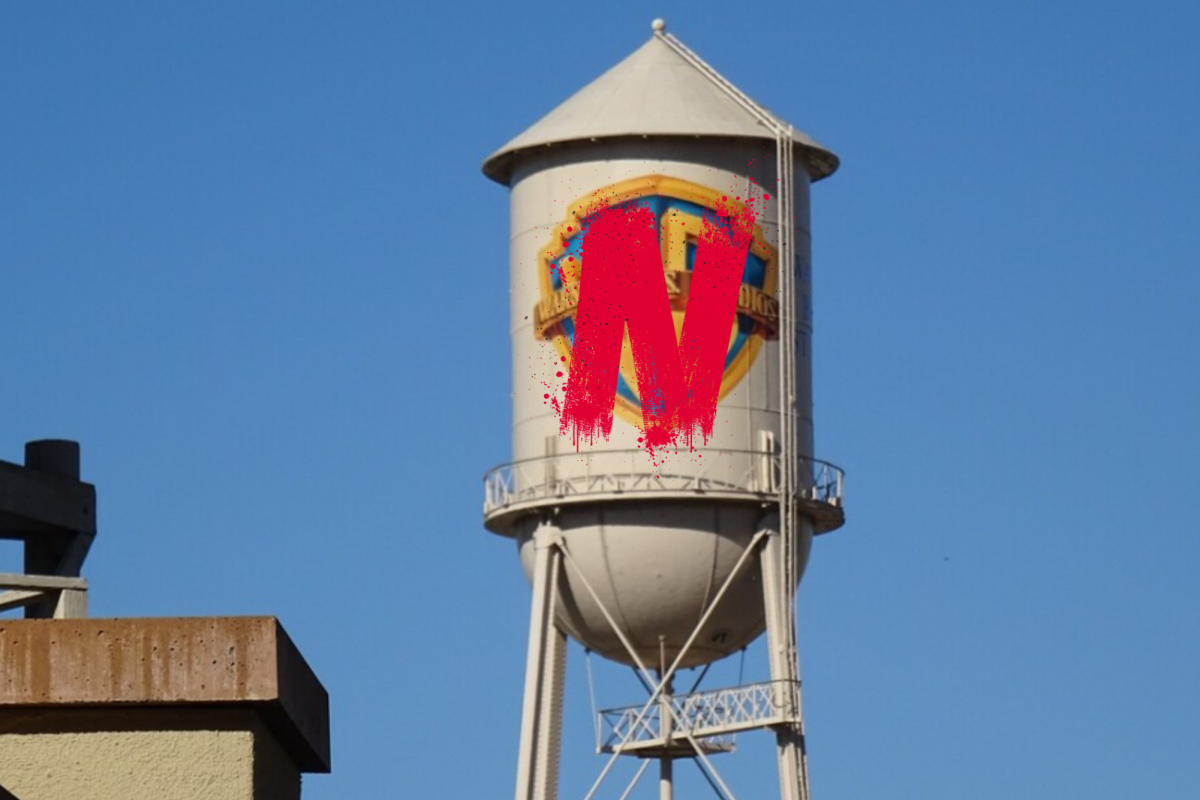
The DC and Warner Bros. logos flash across the screen before the audience’s eyes, followed by… the bouncing sound of the Netflix logo as it appears on screen?
Recently, Netflix bought Warner Bros. for approximately $83 billion for all streaming and studio assets, in which the studios will obtain major franchises like DC, Harry Potter, Game Of Thrones, and the streaming service HBO Max.
The original deal was proposed on December 5th 2025, with a revised all-cash deal being provided in January in the hopes that the shareholders would vote on the matter in April.Movie studio Paramount Skydance also put in a bid, offering a 108 billion dollar hostile takeover for the entirety of the company.
“Today’s revised merger agreement brings us even closer to combining two of the greatest storytelling companies in the world,” said Warner Bros. Discovery CEO David Zaslav.
The combination of the companies now brings thousands of stories in one place for viewers.
According to Netflix Co-CEO Ted Sarandos, ”By adding the deep film and TV libraries and HBO and HBO Max programming, Netflix members will have even more high-quality titles from which to choose. This also allows Netflix to optimize its plans for consumers, enhancing viewing options and expanding access to content.”
While this merger between two of the biggest movie companies in the world seems great, the expansion of Netflix’s library to new audiences also brings up many concerns.
One of these major concerns is the release of Warner’s upcoming movies and whether or not they will be released in theaters instead of streaming, possibly threatening the already hurting theater business with the rise of streaming in recent years.
However, according to Technology Writer Todd Spangler, a reporter for Variety Magazine, “Warner Bros. has deals to release its film in cinemas through 2029,” meaning these films will be shown in theaters, such as upcoming movies like Dune: Part Three, Super Girl, and Mortal Kombat 2.
Due to Netflix having to maintain Warner Bros. current operations in releasing future theatrical releases, it will have to go against its usual prerogative.“My pushback has been mostly in the fact of the long exclusive windows, which we don’t really think are that consumer-friendly,” said Strandos.
By giving Netflix viewers new movies faster, the release window for these movies will shorten. Although this means new movies and content can be streamed sooner, the effects could be detrimental to the movie theater business.
“Netflix’s proposal for the acquisition included theatrical windows as short as two weeks prior to a streaming release,” said Entertainment Reporter Belen Edwards, a reporter for Mashable.
The average run time of a movie today in theaters is about 4-8 weeks, or roughly 30-48 days, although this time frame can vary depending on whether the film is a major blockbuster.
This hasn’t always been the standard, as before COVID-19, the average run time of a film in theaters was 90 days.
According to data presented by Michael O’Leary, President and CEO of Cinema United.
Netflix’s business model does not support showing movies in theaters.
The deal will risk removing 25% of the annual domestic box office.
Since 2020, the movie business has taken a major hit and hasn’t been able to rebuild in recent years.
In 2024, the estimated domestic box office was 8.7 billion dollars, which is 9 billion dollars lower than in 2023.
A major part of this is due to streaming, which many people turned to during quarantine to pass the time.
Not only that, but many movies that were set to be released in theaters couldn’t be due to COVID-19; instead, they were released on streaming services.
Instead of heading to the theaters to go see movies, consumers switched to watching all the new releases on streaming services.
The rise of streaming platforms and the fact that movie theaters have upped their prices have all added to this new movement.
With the fate of Warner Bros going to be in the hands of Netflix, thousands of new movies and shows will all go to streaming services.
This will not only result in a change in how people get to watch new content, but it will also change the methods of how movies and their studios will be run.