











































Chances are you’ve heard the name of seven time national champion Nick Saban, arguably the greatest college football coach of all time, and certainly the winningest in recent history.
With college rosters changing constantly, one question has followed his career: how did Alabama build a dynasty?
The answer is recruiting, and that’s the answer for every coach and team in collegiate sports.
The NCAA defines recruiting as “when a college employee or representative invites a high school student-athlete to play sports for their college.”
On paper, it sounds simple enough.
If a coach wants to improve their team, they go find talented players and convince them to come play at their program.
And historically, coaches have done anything to win those players over.
They’ve flown across the country for one conversation. There are accounts of taking recruits fishing, playing ping-pong, and Gary Pinkle even once picked up a recruit in a helicopter.
A video of Nick Saban dancing the Cupid Shuffle in a recruit’s house went viral in 2018 during a recruitment visit at the house of Eddie Smith, a three-star defensive back/wide receiver.
But for most high school athletes in 2025, that world doesn’t exist anymore.
In the era of social media, transfer portals, and algorithms, recruiting has shifted dramatically.
Although the shining stars of the athletic world still get fishing trips and home visits, the majority of athletes don’t even get consistent communication.
Instead, they fight through crowded inboxes and unanswered messages, often sending hundreds of emails or DMs just for a single response.
Here at Sunnyslope High School, dozens of student-athletes know that struggle firsthand.
From players with walk-on hopes to athletes with nearly twenty Division I offers, each has pushed through their own recruiting obstacle course.
For most, there’s not much guaranteed in the process except that it’s going to be uncertain, you’re going to feel pressure, and you have to be the one knocking on coaches’ doors.
Because today, for most athletes, recruiting isn’t a red carpet experience—it’s a fight just to be noticed.
“I probably sent about 10,000 emails a year for three years,” said Senior Softball Player Sam Hyde.
For Hyde, the recruiting process wasn’t a single phone call or a coach’s house visit, it was an inbox.
She started emailing in eighth grade and didn’t commit until July 28, 2025, the summer going into her senior year.
Even after working at showcases and camps, catching coaches’ eyes, the responses never felt steady.
“Coaches love bomb you,” said Hyde, “One week they are constantly texting you, and the next, they don’t even remember your name.”
Half the programs that showed “legit interest” ghosted her without a clear answer.
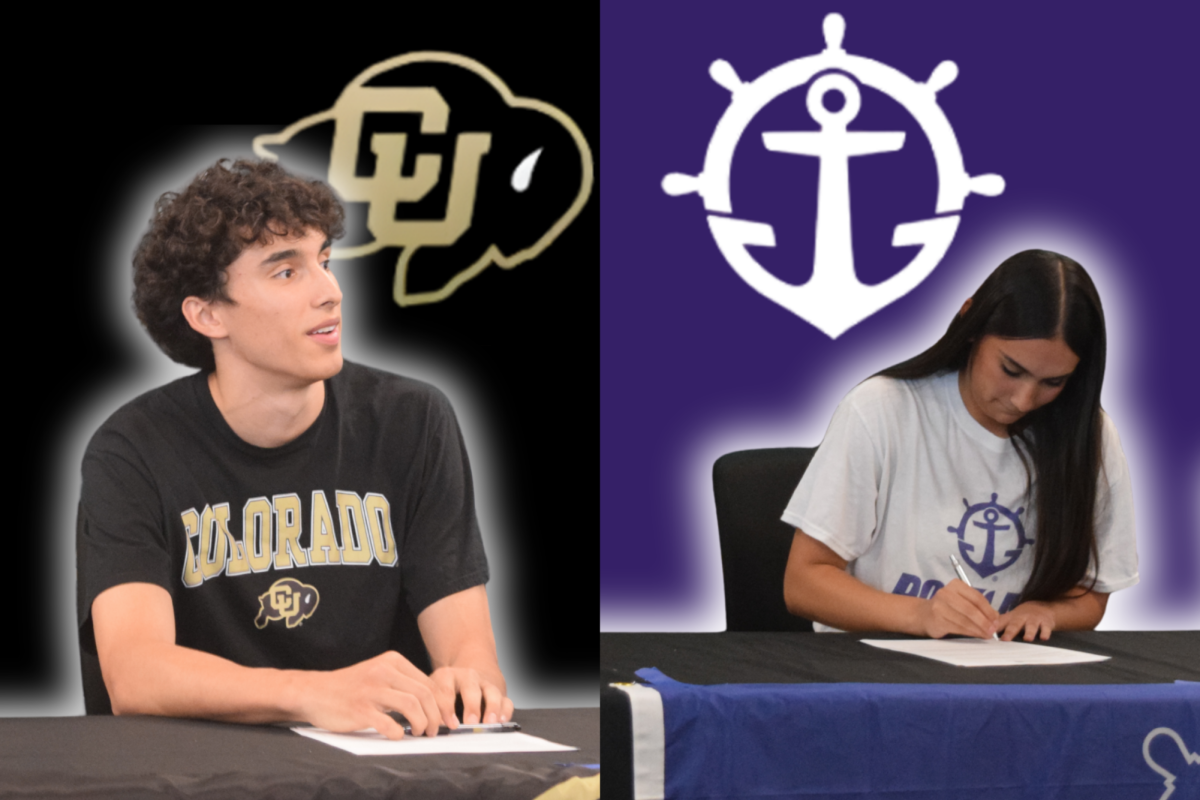
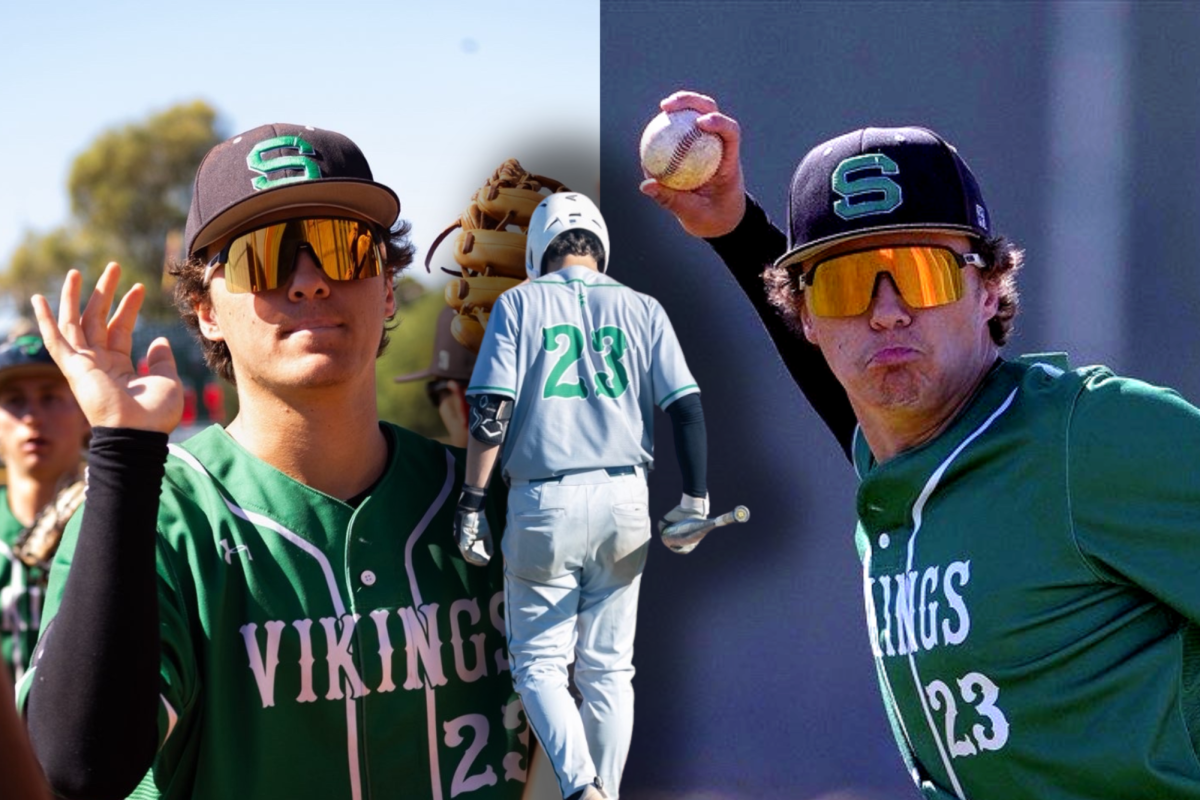
Then, there’s Senior Baseball Player Jack Petroff, who woke up on August 1, 2025 (when NCAA coaches can officially contact rising juniors) to an entirely different reality: “I had a dozen or so colleges call me that morning and from there it kind of took off,” recalled Petroff.
By the end of his Junior season, Jack had four offers and later committed to New Mexico State University.
For some, recruiting arrives like a flood of calls.
For others, it’s a slow build up of unanswered messages and small wins.
Yet, both experiences have become the new normal.
If there’s one thing the ten athletes interviewed for this article agree on, it’s that recruiting in 2025 is digital, unpredictable, and emotionally draining.
Nearly everything happens through a screen now.
This is all done through things like FieldLevel and recruiting portals, highlight videos, thousands of emails, Instagram DMs, phone calls, and recruiting services like Next College Student Athlete (NCSA).
Teenagers have the stress of marketing and selling themselves as if they are a product, instead of taking advantage of their time in high school.
“My recruitment process was mostly me reaching out to coaches via email or FieldLevel,” said Senior Basketball Player Maggie Luba, who felt the pressure of having to set up her entire future while also juggling high school and other normal teenage things.
Senior Football Player Patrick Ross estimates his process has been “75% online, 25% face to face.”
Senior Soccer Player Kat Hartman, who eventually committed to Merrimack College, had to become relentless: “Coaches [from the Midwest or East Coast] don’t come out [to the West Coast]. It is a lot of me emailing them.”
Track recruits describe a slightly different logic.
Senior Cross Country Runner Noah Hernandez said that track recruiting is “based on times and placing,” and once you perform, schools will take action.
But even in track, social platforms helped push athletes into the spotlight.
“[My process] went online via Instagram DM, emails and phone calls,” said Senior Hurdler Aniyah Martin, who landed offers from New Mexico and Arizona State.
Some athletes leaned on services.
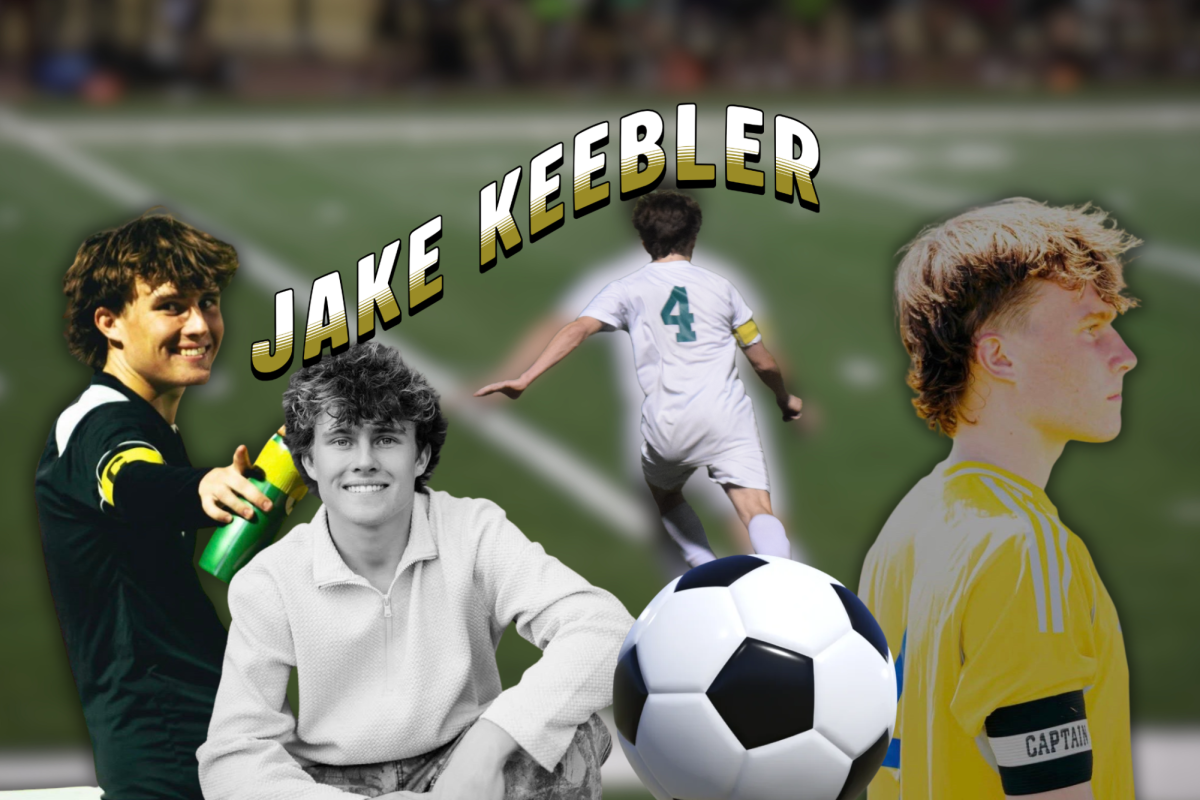
Senior Soccer Player Jake Keebler used NCSA and gave it credit for getting his foot in the door with schools and coaches, eventually receiving two offers and committing to Coe College.
Others relied on family, club coaches, or nothing at all.
As great as it is to have services that can provide help, it creates a gap between those who can and can’t afford it.
Contrary to beliefs, technology doesn’t just have positive effects.
Yes, it helps young student athletes get their name out there, but it can give strong, negative emotions to those who need to use it but don’t have the funds.
The most common patterns across these interviews were some of the same experiences and emotions: ghosting, self doubt, the pressure of comparison, feeling undersized, and sometimes, asking whether college sports are even the right path.
Hyde’s story is the clearest example of how much ghosting hurts.
After years of sending thousands of emails and going to dozens of camps, programs that once constantly texted went quiet.
“Half of them ended up ghosting me,” said Hyde.
“It was rejection after rejection.”
She described the process as “very difficult but also very rewarding in the end.”
Maggie Luba, who committed to New York University, describes a different but related pain: comparison.
“The hardest part was definitely trying not to compare my experience to other peoples,” said Luba.
“Social media puts pressure on the whole recruiting process. It is difficult to see people ‘ahead’ of you.”
That pressure creates impatience, unrealistic timelines, and toxic comparisons.
One athlete’s highlight reel becomes the basis of how another athlete measures themself.
For some, the struggle is physical.
Keebler said the “hardest part of the process was just having someone believe in me because I’ve been so undersized my whole life.”
Jake fought for a chance to show he could compete despite not fitting the stereotypical prototype, and earned his opportunity to play at the next level.
Others wrestled with the choice itself.
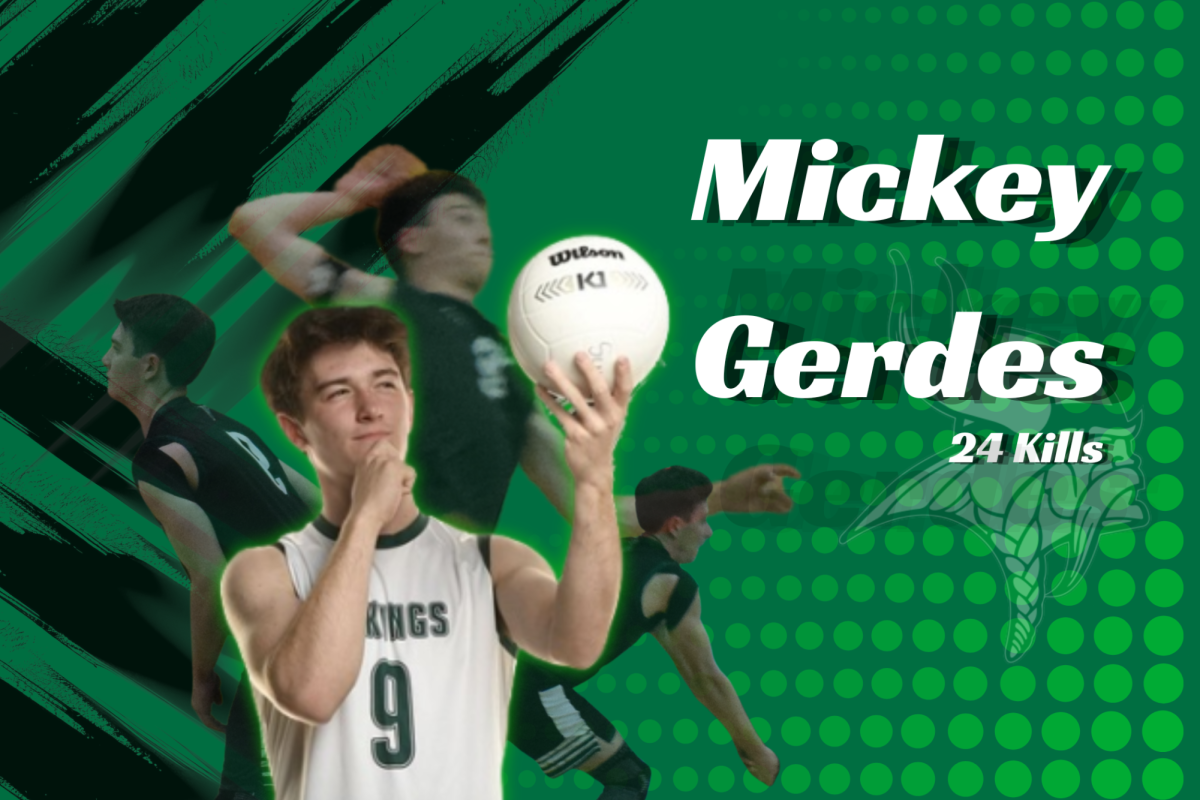
Senior Volleyball Player Lainey Johnson, who committed to Cal State Dominguez Hills, said the hardest part was deciding whether to keep playing at all.
“I was really late to the process,” said Johnson.
“I switched positions before recruitment opened and didn’t have much film.”
Johnson was told that she’d have more opportunities at libero/backrow, opposed to what she played at Sunnyslope, outside.
The pressure to choose between a normal college experience or pursuing collegiate athletics added another layer of stress.
And then there’s the business side of rejection.
Petroff’s decision to commit to NMSU forced awkward calls with the coaches who he wouldn’t be playing with.
“It almost felt like a breakup call,” he said,“At the end of the day it’s a business.”
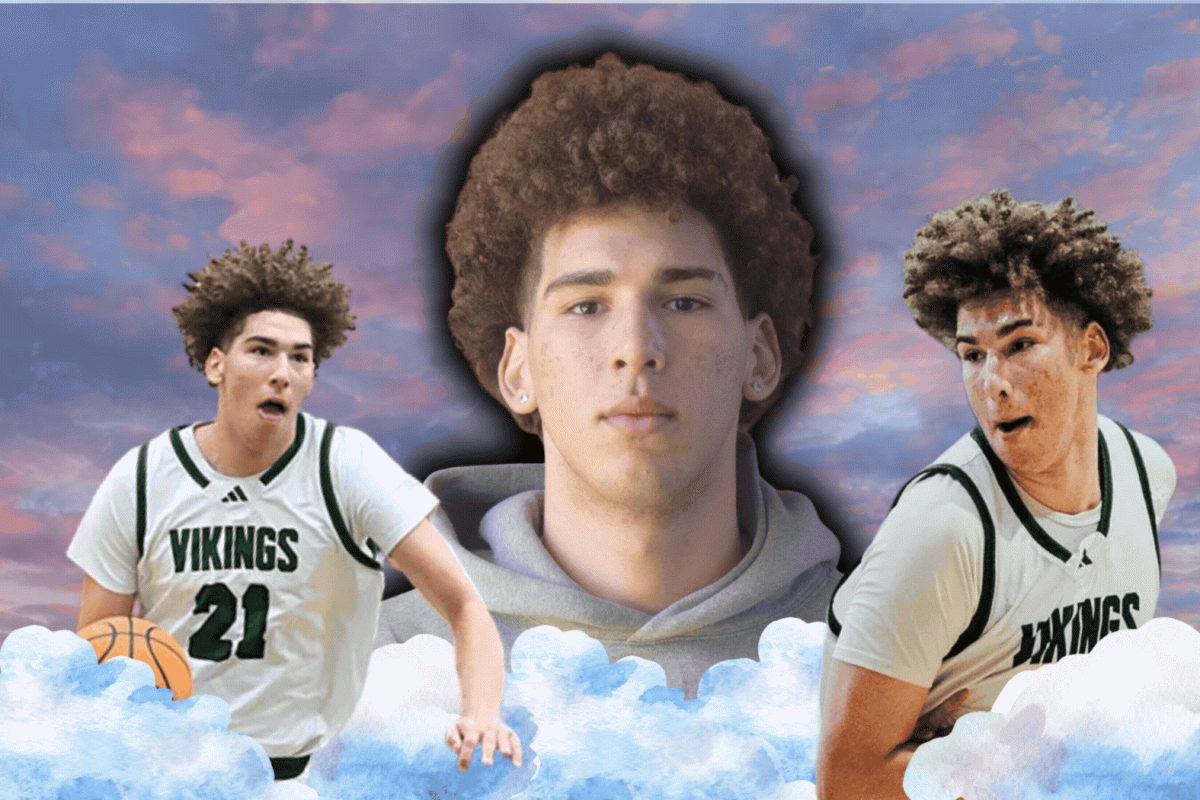
Junior Basketball Player Darius Wabbington, who holds 18 Division 1 offers, described another struggle.
For him, the “hardest part is probably narrowing down the list,” said Wabbington.
Whether you’re fighting for the opportunity to get a walk on spot, or telling coaches you won’t be attending their school, both ends of that spectrum are emotionally taxing.
After the intense journey of recruiting, the decision tends not to come from a logo or a scholarship number (although an NIL check is nice), it arrives in the human details.
How coaches truly act to you, the atmosphere of the campus, a program’s community, and sometimes an academic fit.
Petroff chose New Mexico State because the coaching staff felt right and the campus “felt like home.”
Luba picked NYU for its unique blend of top tier academics and basketball environment.
She described it as a “high-level education and a high-level program.” Johnson leaned into coaches who made her feel wanted.
Hyde landed at Missouri Southern State for community, a strong softball culture, and a scholarship that helped make the decision possible.
Keebler’s choice came when a coach told him to “come run our offense,” giving him the opportunity for playing time and a concrete role.
Even athletes who received many offers focused on fit over brand.
Martin picked ASU because it offered her preferred major and team dynamics.
Hartman went east for a fresh start near Boston.
For most, the final switch from uncertainty to commitment was less about a social media ranking and more about being seen and wanted.
One small but critical point of consensus emerged from all of these athletes.
Most wished they’d started sooner.
Ross agreed without hesitation to the question.
Luba, Johnson, and other recruits agreed in different ways: more films and earlier preparation and communication.
It seems so unrealistic to begin to market and sell yourself as someone in your early teens, but the recruiting market rewards early and consistent outreach.
There were many takeaways from all the information given by the recruits.
It was near consensus that it’s smart to start your outreach early and be consistent.
One email rarely does the job.
It’s smart to use recruiting platforms and services if you have access to them, but don’t rely on them alone.
It’s important to prioritize a proper fit: playing time, coaching style, academics, and community matter more than prestige.
You need to be able to expect emotional downturns: rejection, silence, and comparison are normal.
Dedicate time to building a support network.
And lastly, be able to be patient.
Timing matters as much as talent.
Modern recruiting may live in inboxes, highlight reels, and recruiting apps, but the final decision still comes down to a human voice saying, “We want you.”
That human moment, a coach’s call, a campus visit where the dining hall feels right, a coach offering a role that matches your strengths, is what turns the digital grind into a real opportunity and makes it all worth it.
From every student who sent thousands of emails to every athlete who woke up to a dozen calls, the outcome was the same: an offer that validates all the hard work, a campus that felt like home, and, for now, the relief of an answered question.
“In the end,” Petroff said simply, “it felt like home.”
Hyde’s relief was quieter but no less real.
After years of chasing, she’s found a community.
For these ten athletes, the modern recruiting reality is messy, exhausting, and sometimes heartbreaking, but it’s also still where dreams begin.
Follow these Sunnyslope athletes while they pursue their future:
Patrick Ross (Football, ‘26) – Coming off an 8–3 season with a playoff appearance, the cornerback/ wide receiver/ kick returner earned multiple All-Region awards. Ross looks to play Division I football at schools like the University of Arizona, San Diego State University, or the University of Hawaii.
Jack Petroff (Baseball, ‘26) – A transfer from Pinnacle High School, the new Viking is preparing for his first season with the baseball team. Petroff is committed to play at New Mexico State University.
Sam Hyde (Softball, ‘26) – Following a junior year that included 12 home runs (most at Sunnyslope and 19th in Arizona), she is determined to make a playoff push this upcoming season. Hyde is committed to play at Missouri Southern State.
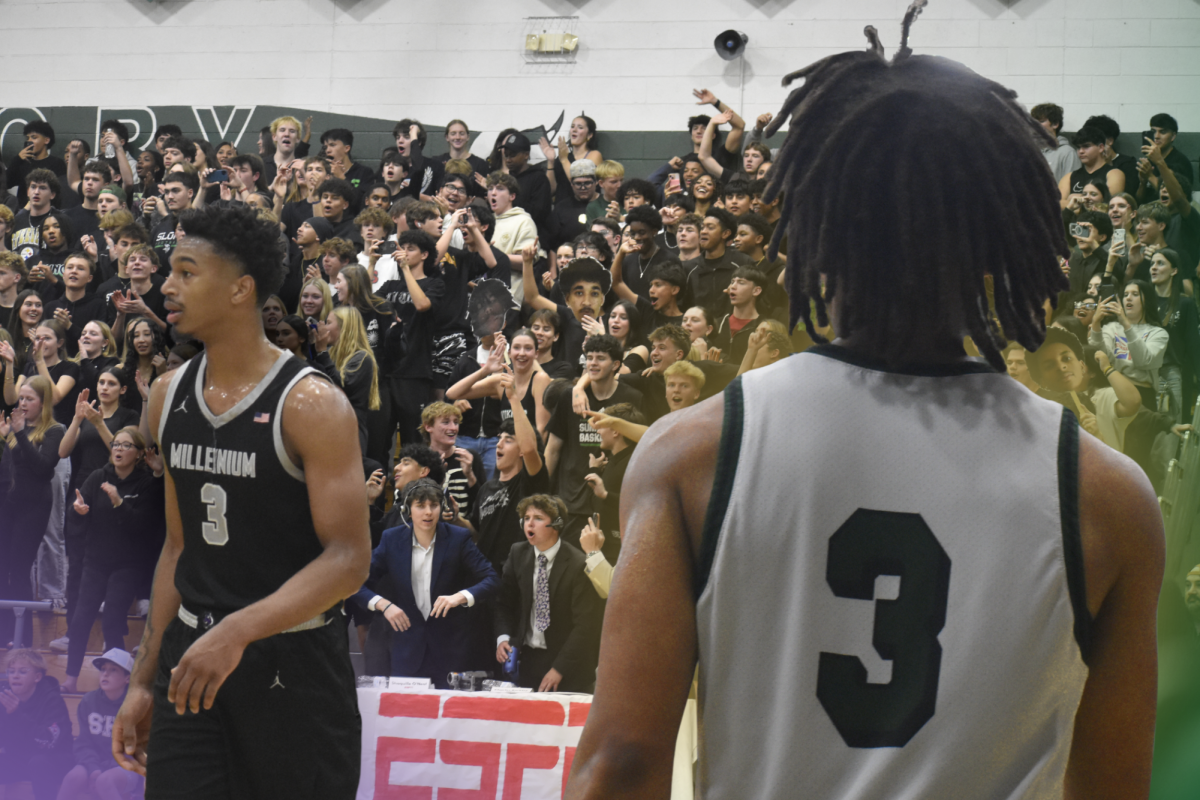
Darius Wabbington (Basketball, ‘27) – Fresh off an Open State Championship appearance, the NBA draft prospect aims to lead a nationally 9th-ranked squad back to the title game. Wabbington is uncommitted.
Maggie Luba (Basketball, ‘26) – Building on a junior season where she averaged nearly a double-double, the captain now leads her team with hopes of a deep playoff run. Luba is committed to play at New York University.
Jake Keebler (Soccer, ‘26) – With consecutive 5-goal seasons and an Arizona #2 mark in assists, the playmaking midfielder understands the potential of a senior-heavy roster poised for a run. Keebler is committed to play at Coe College.
Kat Hartman (Soccer, ‘26) – Behind a hard-fought junior campaign, the determined and resilient player recognizes just how much this year’s team can accomplish. Hartman is committed to play at Merrimack College.
Noah Hernandez (Cross Country, ‘26) – With his appearance at the Arizona AIA Cross Country State Championships on November 15 now behind him, his season may be over, but his commitment to the sport is not. Hernandez is uncommitted.
Aniyah Martin (Hurdles, ‘26) – As the holder of six different Sunnyslope records, she enters the upcoming season with confidence and expectations of continued dominance. Martin is committed to Arizona State University.
Lainey Johnson (Volleyball, ‘26) – Succeeding All-Region honors and leading her team to a playoff game, her career at Sunnyslope has come to an end, but her playing days certainly haven’t. Johnson is committed to play at Cal State University Dominguez Hills.