























































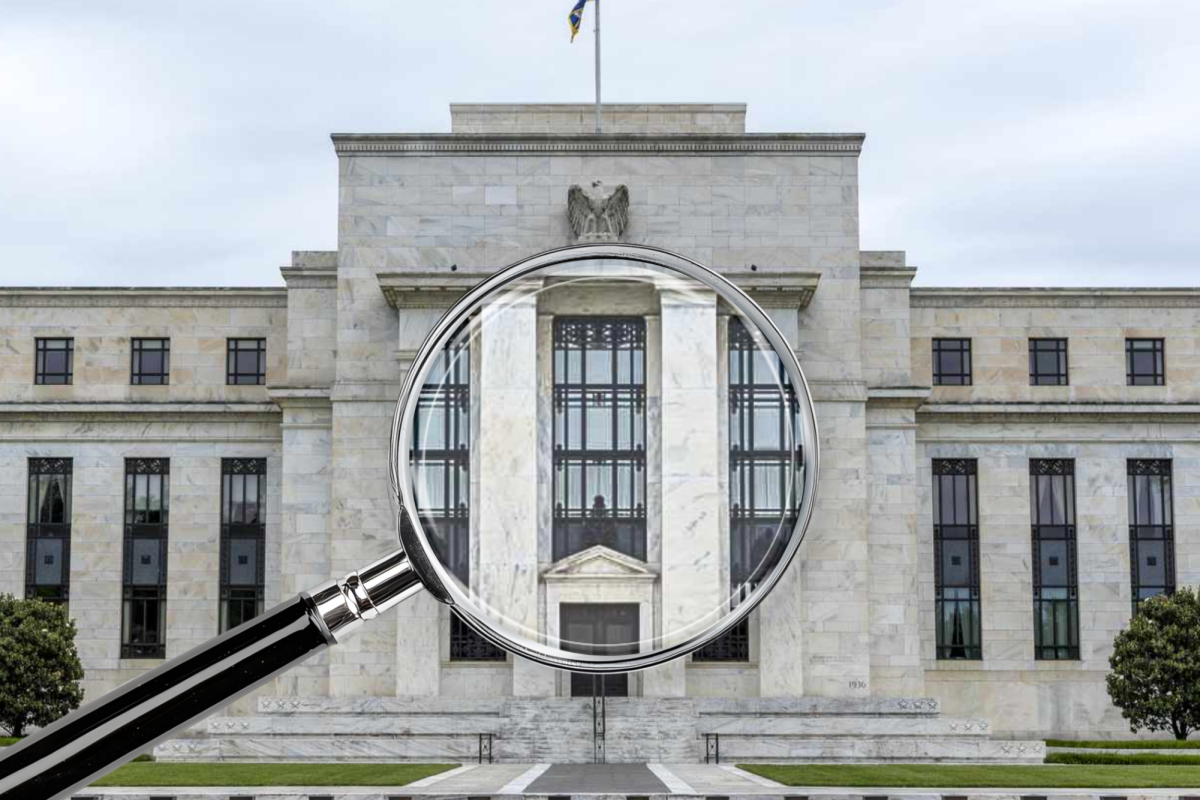
Federal Reserve Chair Jerome Powell announced on January 11, that the Department of Justice (DOJ) had initiated criminal investigations into him and issued multiple subpoenas, via video statement from Powell released to the public.
The investigation regards “the central bank’s renovation of its Washington headquarters and whether Mr. Powell lied to Congress about the scope of the project, according to officials briefed on the situation,” The New York Times reported.
The project is valued at approximately $2.5 billion.
Speaking of the building itself, President Donald Trump accused Powell of “overseeing a lavish renovation, like a VIP dining room and a garden terrace,” according to the Harvard Kennedy School.
Trump said in the Oval Office speaking to reporters, “It’s possible there’s fraud involved with the $2.5 billion”.
Powell and other members of the Reserve deny these allegations.
These investigations represent a significant escalation in Trump’s long-standing pressure and criticism of the Fed’s decisions.
In Powell’s speech, where he brought all the charges to the public eye, he explained how “the threat of criminal charges is a consequence of the Federal Reserve setting interest rates based on our best assessment of what will serve the public, rather than following the preferences of the president.”
This is regarding the president’s constant criticism of how the Fed needs to cut rates even more, in ways that have not happened in this country for the last 30 years.
Political pressure is being exerted on the Fed to make decisions according to its own agenda, rather than the people’s.
As claimed by the Harvard Kennedy School, other previous Fed chairs have shared how Trump is wrong for trying to change the level of independence the banks have from the government.
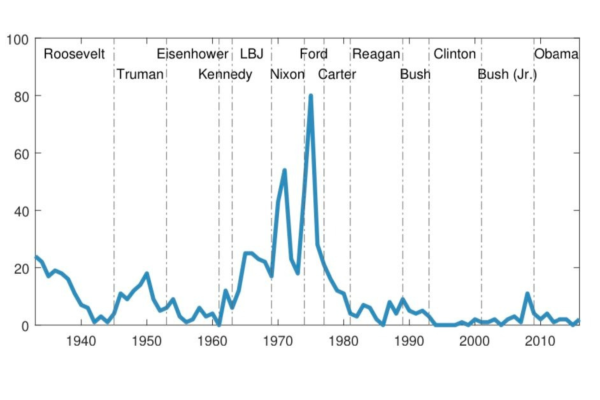
To put what Trump is doing into perspective, presidents for the last 40 years have kept their comments and judgments to themselves toward the Fed to leave political bias out of the decisions.
This movement started after Former President Richard Nixon began threatening the Formal Federal Reserves Chairhead Arthur Burns, warning that he must essentially do what the president wants.
Burns adhered, and then shortly after, inflation skyrocketed.
Our most recent presidents since then have stuck to this for all 8 years of their terms, until Trump.
The President continuously states how Powell is a “numbskull,” “incompetent,”, how “that jerk will be gone soon,” and that “The Fed has done a terrible job on bank regulation.”
The president continues the threat of firing Powell, despite nominating him for the position in 2017.
On January 21, just 10 days after news of the investigation had come out, the Supreme Court heard a case on Trump’s attempt to take greater control of the Fed.
The case, Trump v. Cook, was an attempt by the president to fire Federal Reserve Governor Lisa Cook.
The director of the Hutchins Center on Fiscal & Monetary Policy at the Brookings Institution, David Wessel, claimed in a PBS News Hour that “if President Trump gets his way, he will be able to fire any Fed governor for anything he deems is cause.”
Some may disagree, but many factors, including those stated, hint at an attempt by the president to eliminate Federal Reserve political independence.
From the mind of Fed Chair Powell, “This is about whether the Fed will be able to continue to set interest rates based on evidence and economic conditions — or whether instead monetary policy will be directed by political pressure or intimidation.”